Best Smart Home Hubs 2026: Comparing smart home hubs: review of Homey, Google, Apple, Alexa, Hubitat and Home Assistant.
Best Smart Home Hubs 2026
What is the best smart home hub you can buy? Which smart home system works best? Comparing smart home hubs: review of Homey, Google, Apple, Alexa, Hubitat and Home Assistant.
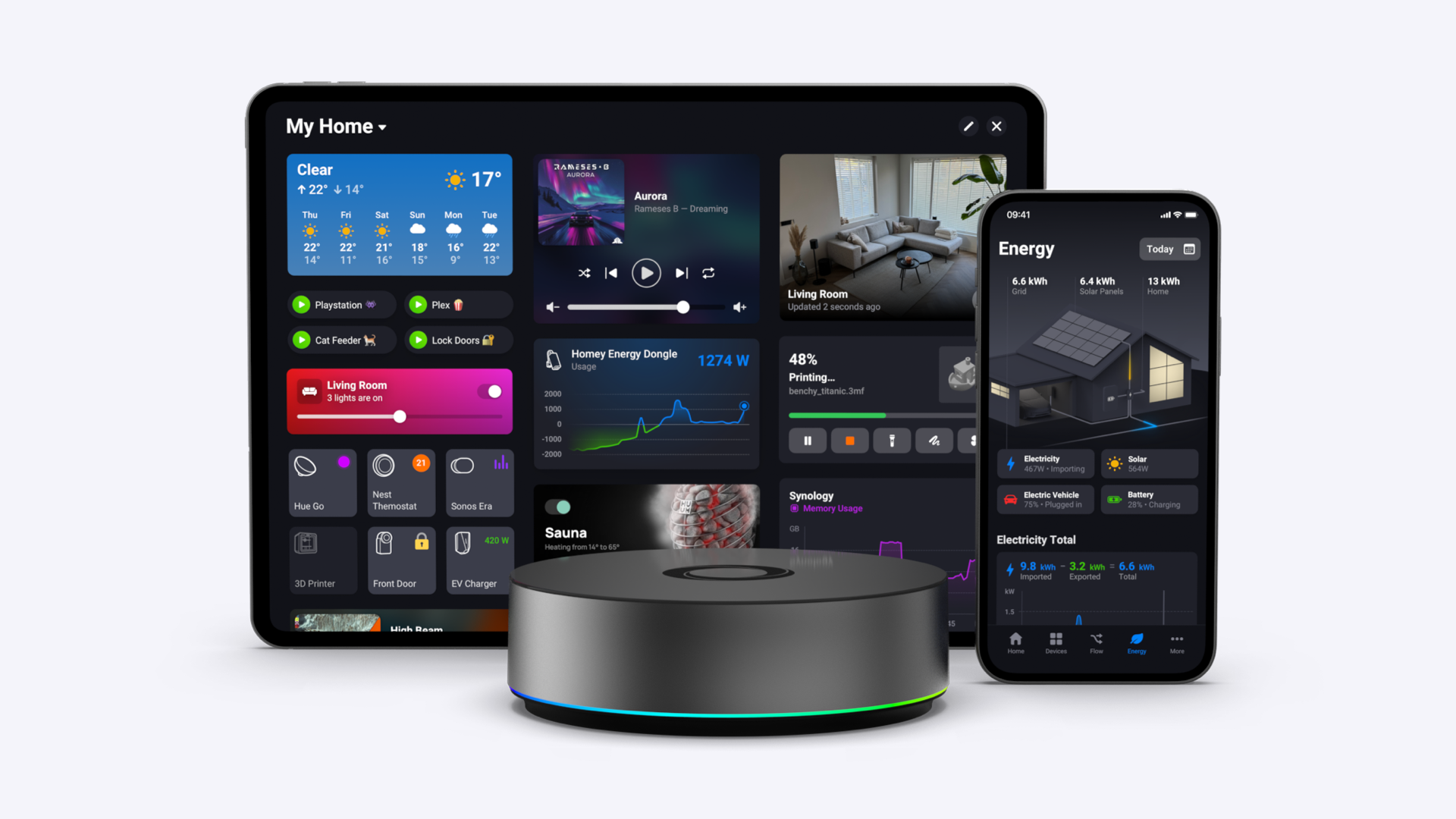
Picture this. You wake up and your home is already in motion: the blinds lift to the perfect angle, heating flips to an “occupied but efficient” profile, the EV charger slows down because prices spike mid-morning, and your coffee starts right on time. Your home reacts to your habits, your schedule, and even your energy situation, without you needing to tap ten apps before breakfast.
That’s what a great smart home hub is supposed to deliver: one place where devices connect, automation logic lives, and the whole system keeps running reliably over time.
In 2026, you have more hub choices than ever. The “big ecosystem” options from Apple, Google, and Amazon are everywhere. Dedicated hubs like Samsung SmartThings, Hubitat, and Aqara serve specific needs well. DIY platforms like Home Assistant keep accelerating. And then there’s Homey Pro — the hub that (in our view) offers the most complete, future-ready package for most households in 2026.
Below, we compare the leading platforms: what they do, what they cost (hardware and subscriptions), where they excel, where they struggle — and why Homey stands out as the best all-around smart home hub for most homeowners who want both ease of use and serious automation power.
What matters most in a smart home hub in 2026
Before we rank anything, let’s define what actually matters now (because smart homes in 2026 are not just lights and a speaker anymore).
1) Protocol support and real-world compatibility
Does the hub play nicely with the standards that matter today: Zigbee, Z-Wave, Thread, Matter, Wi-Fi, Bluetooth — and, in some setups, IR or 433 MHz?
2) Automation power and how easy it is to use
Can you build automations that feel “smart” (not just basic timers), like: “If someone is home AND the energy price is below X AND solar output is above Y…” without needing to learn scripting first?
3) Energy management and smart charging
Modern homes include solar, dynamic tariffs, EVs, heat pumps, batteries, and real-time consumption. A 2026 hub should handle energy logic — not just device on/off.
4) Daily usability
Most people want control that feels simple. If your hub feels like maintaining a small server, it’s not for everyone.
5) Local operation vs cloud dependency
If your internet drops, does the house keep working? Local execution is a big deal for speed, privacy, and reliability.
6) Total cost
Cheap hardware isn’t cheap if critical features live behind a monthly subscription or add-on dongles.
7) Longevity and ecosystem strength
Regular updates, device support that keeps expanding, and a strong community or vendor roadmap matter more than ever.
With that checklist in mind, here are the top smart home hub platforms for 2026.
Homey – The most complete smart home hub for 2026
What it offers
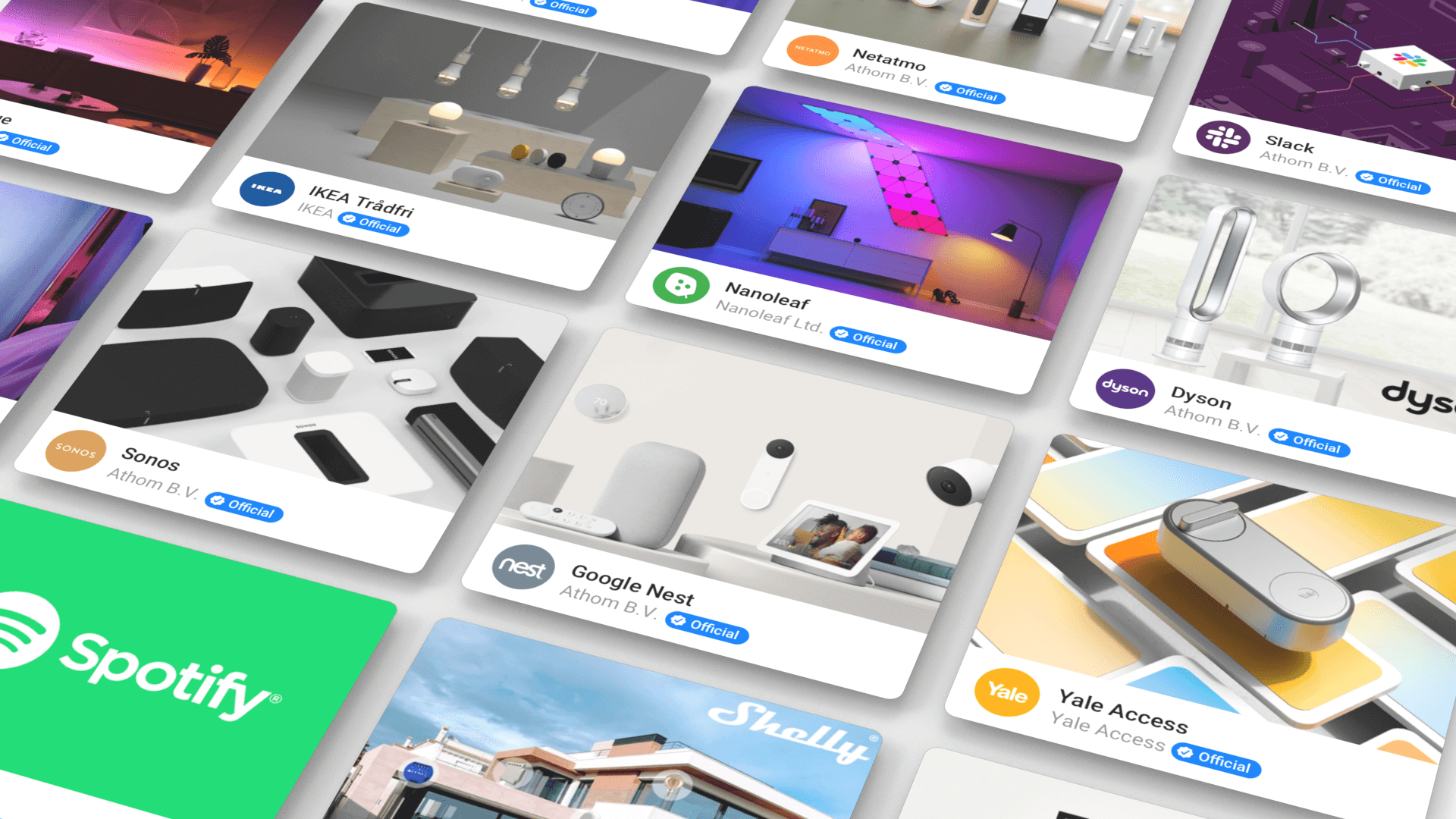
Homey (built by Athom, backed by LG) is designed around one big idea: connect everything, automate deeply, and keep it usable. In practice, Homey supports one of the widest mixes of smart home technologies available, including Zigbee, Z-Wave, Thread, Matter, Wi-Fi, Bluetooth — and on some models even IR and 433 MHz.
If you’re looking for a smaller, more affordable entry point, Homey Pro mini (US $199 / €200) supports Zigbee, Thread, and Matter out of the box. For broader connectivity and bigger setups, Homey’s higher-end models expand radios and capability further.
Where Homey really separates itself is automation. Flows let you build powerful logic with conditions, triggers, and actions without writing code. And because energy has become a core smart home use case, Homey Energy adds a dedicated layer for tracking consumption, solar production, dynamic tariffs, and EV charging logic.
Pricing is typically a one-time purchase model, with optional extras on some entry-level setups, rather than forcing core functionality behind subscriptions.
Strengths
- Exceptionally broad compatibility across protocols and brands
- Automation that scales from beginner-simple to expert-level logic
- Built-in energy management that matches what homes look like in 2026
- Local plus cloud approach for speed and reliability
- Strong long-term direction and ecosystem momentum
Weaknesses
- Higher upfront cost than the most basic “starter” hubs
- Some connectivity (like full Z-Wave support) depends on model selection
- If you love tinkering for tinkering’s sake, Home Assistant can feel more “limitless”
Verdict
If you want a hub that works immediately, grows with your home, and balances serious automation with day-to-day simplicity, Homey is the best overall smart home hub in 2026.
Home Assistant – The open-source power-user champion

What it offers
Home Assistant is software, not one single hub device. You can run it on a Raspberry Pi, a dedicated box like Home Assistant Green (around $129 / €109), or your own mini PC. It supports a massive number of integrations and gives you near-total control over how your system behaves.
Many users add optional cloud services via Nabu Casa (about $6.50/month) for convenience features like remote access, voice assistant bridging, and cloud backups.
Strengths
- Huge integration ecosystem
- Local-first mindset and strong privacy controls
- Unmatched flexibility for advanced setups
Weaknesses
- Steeper learning curve than most consumer hubs
- More setup, more configuration, more maintenance
- Often requires extra radios/dongles to match “built-in” multi-protocol hubs
- Some convenience features are tied to paid cloud services
Verdict
If you’re technical and enjoy building and maintaining your system, Home Assistant is incredible. If you want a powerful smart home without turning your evenings into troubleshooting sessions, Homey is far more accessible while still offering deep automation.
Apple Home – Beautiful simplicity for Apple households

What it offers
If your home is already “all Apple,” Apple Home is smooth, clean, and consistent. With Thread and Matter support expanding, compatibility continues to improve. A HomePod or Apple TV can act as the home hub — so many users won’t need to buy dedicated “hub hardware” if they already own one.
Strengths
- Polished, intuitive user experience
- Tight integration with iPhone, iPad, Apple Watch, and Siri
- Great for basics like lights, locks, climate, and scenes
Weaknesses
- Automation depth is limited compared with Homey or Home Assistant
- No native Zigbee or Z-Wave support
- Minimal dedicated energy automation tooling
Pricing
A HomePod or Apple TV typically costs around €150–€200, with no required subscription for core use.
Verdict
Apple Home is ideal if you value simplicity and live inside Apple’s ecosystem. If you want broader device freedom and more powerful automations, Homey is the better long-term “center brain.”
Google Home – Voice-first and convenient

What it offers
Google Home is built around easy setup and voice control, powered by Google’s Assistant ecosystem and devices like Nest speakers and displays. Matter and Thread support is improving, and onboarding tends to be fast for common device categories.
Strengths
- Strong voice control for everyday commands
- Simple setup and approachable UI
- Great for routines and entertainment control
Weaknesses
- Automation capabilities are comparatively limited
- Cloud dependency is high
- Local execution and energy automation are not a main focus
Pricing
A Nest Hub Max is often around €144 in many stores (pricing varies).
Verdict
A solid choice for Google-centric, voice-led homes. If you want a true automation engine and energy-aware logic, Homey is the stronger “whole-home” platform.
Amazon Alexa – Massive device ecosystem, lighter automation

What it offers
Alexa is everywhere. Compatibility with devices and brands is broad, and some Echo devices include hub-like features plus Matter/Thread support. However, Alexa remains strongest as a voice layer rather than a deep automation brain.
Strengths
- Huge device compatibility
- Great voice experience for common tasks
- Quick to add devices and run basic routines
Weaknesses
- Limited local automation
- Strong cloud dependence
- Not optimized for complex, energy-driven setups
Pricing
Hub-capable Echo devices are often $150+ (frequently discounted).
Verdict
Excellent if your smart home is mainly “voice commands and simple routines.” For deeper automation, local reliability, and energy intelligence, Homey is a much better central hub.
Samsung SmartThings – Broad, but strategy keeps evolving

What it offers
SmartThings has been around for years and remains a common “middle path” hub. It typically supports Zigbee and Matter/Thread, and some hub options historically supported Z-Wave (though availability can differ by hub generation). It also plays nicely with Samsung appliances, which can be a big plus in Samsung-heavy households.
Strengths
- Good device support across categories
- Balanced usability for mainstream users
- Strong if you own Samsung appliances and TVs
Weaknesses
- Cloud/local approach has shifted over time
- Z-Wave support can be inconsistent depending on hub choice
- Automation and energy tooling feel less cohesive than Homey
Pricing
The Aeotec Smart Home Hub is often around $119.99 (pricing varies by region).
Verdict
A capable mid-tier choice. If you want the most complete combination of compatibility, advanced automation, and energy management in one platform, Homey is the stronger 2026 pick.
Hubitat – Local automation first, but more technical
What it offers
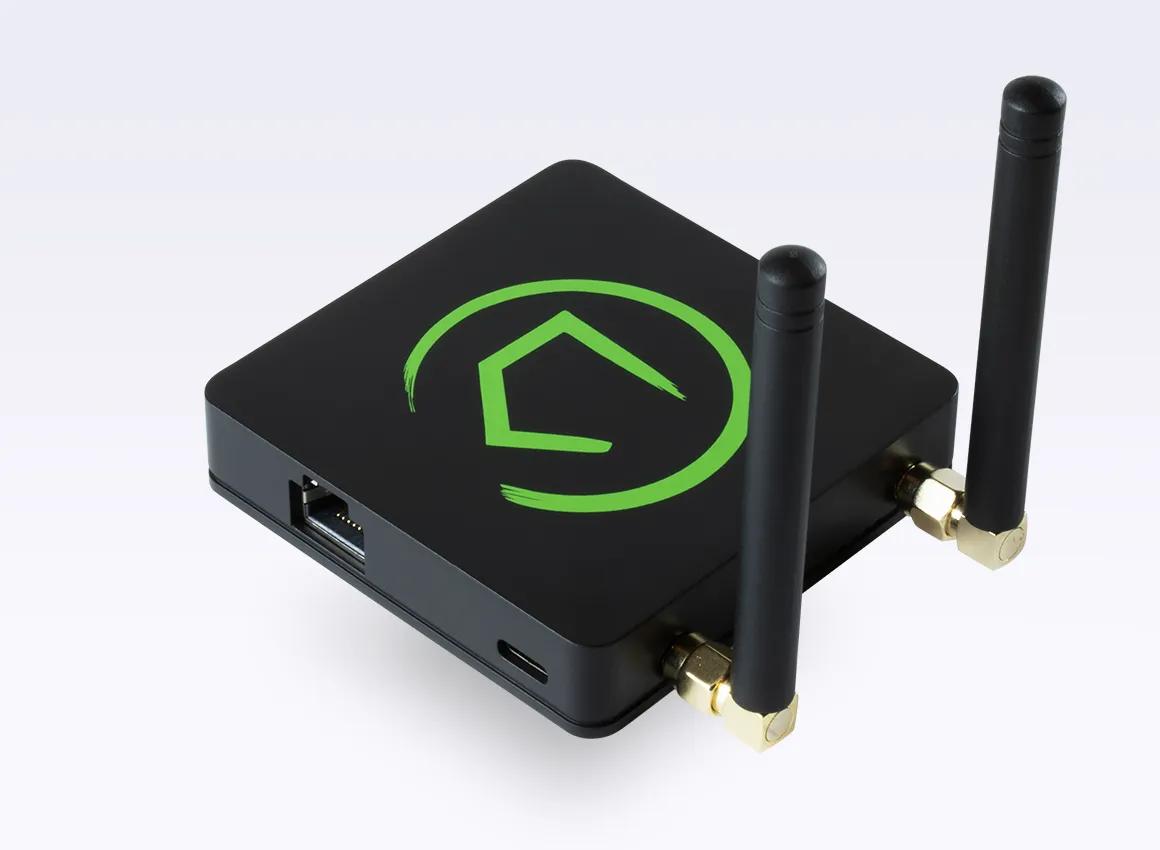
Hubitat is built for local processing. That means fast automations, high reliability, and minimal reliance on the cloud. For users who value privacy and local control above all, Hubitat is a compelling option — especially for rule-heavy setups.
Strengths
- Fast performance thanks to local execution
- Powerful automation capabilities for advanced users
- Privacy-friendly design
Weaknesses
- User interface feels more technical than most consumer hubs
- Setup and ongoing management require more expertise
- Less beginner-friendly than Homey
Pricing
Pricing varies by model and region; generally mid-priced.
Verdict
Excellent for hobbyists who want local-first control and don’t mind a more technical experience. For most households that want both power and ease, Homey remains the better all-around hub.
Aqara – Affordable, beginner-friendly, and ecosystem-leaning
What it offers
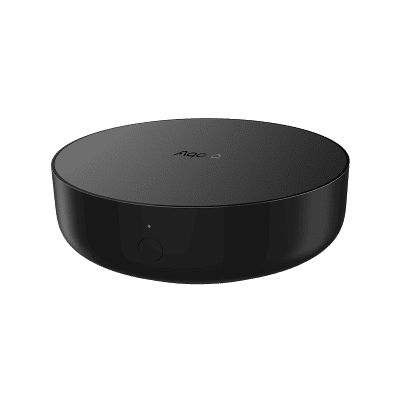
Aqara hubs are popular because they’re approachable and affordable. Options like the Aqara Hub M3 (commonly positioned as Matter/Thread/Zigbee/IR capable) are priced around the ~€100 range in many markets. Aqara works especially well if you plan to stay mostly inside the Aqara device ecosystem.
Strengths
- Strong value for money
- Good protocol support for the price tier
- Great for smaller installations or first smart home setups
Weaknesses
- Experience is best when you stay mostly within Aqara’s ecosystem
- Advanced automation depth is limited compared to Homey
- Energy management is not as strong as Homey’s dedicated tooling
Pricing
Typically around €100–€110 for popular hub models (varies).
Verdict
A great starter hub. But if you want whole-home automation that spans brands, protocols, and energy logic, most users eventually outgrow it — and that’s where Homey shines.
Shelly – Fantastic devices, but not a full hub platform

What it offers
Shelly is best known for smart relays, switches, and modules that deliver huge value — especially for upgrading “dumb” devices. But Shelly is not, by itself, a full smart home hub platform in the same category as Homey, SmartThings, or Home Assistant.
Strengths
- Great device ecosystem with strong price-to-performance
- Excellent for DIY retrofits and practical upgrades
- Integrates well into other hub systems
Weaknesses
- Not a complete hub for deep cross-brand orchestration
- Automation and energy management are limited compared to dedicated hub platforms
Pricing
Many Shelly modules cost around €20–€40 each (varies by model).
Verdict
Shelly is a brilliant device layer — and it pairs extremely well with a “real hub.” If you want one place to connect everything and automate across brands, Homey + Shelly devices is a powerful combo.
Summary comparison table
| Platform | Approx. Purchase Price | Subscription | Best For |
|---|---|---|---|
| Homey | $199–$399 (€200–€400) | None (optional extras) | Homeowners who want broad compatibility, powerful automation, energy features, and reliable local operation |
| Home Assistant | $129 / €109 (typical entry hardware) | ~$6.50/month (optional cloud) | Power users and DIY enthusiasts who want maximum control |
| Apple Home | €150–€200 (HomePod/Apple TV as hub) | None | Apple ecosystem households prioritizing simplicity |
| Google Home | ~€140 (common hub/display pricing varies) | None | Voice-first, Google-centric homes |
| Amazon Alexa | ~$150+ (hub-capable Echo devices) | None | Voice-first homes and basic routines |
| SmartThings | ~$119.99 (common hub pricing varies) | None | Samsung appliance households and mainstream smart home users |
| Hubitat | Varies | None | Local-first hobbyists comfortable with a technical UI |
| Aqara | €100–€110 | None | Beginners and smaller Aqara-leaning setups |
| Shelly | €20–€40 (per device) | None | DIY upgrades; best when paired with a real hub |
Why Homey is the best smart home hub of 2026
In 2026, the “best hub” isn’t the one with the loudest marketing — it’s the one that stays reliable as your home grows, your devices change, and your energy needs get more complex.
If you want a hub that:
- Works with nearly every major protocol
- Makes advanced automations possible without coding
- Treats energy as a core use case (not an afterthought)
- Runs locally so your home still works when the internet doesn’t
- Avoids mandatory subscriptions for core features
- Scales from a few lights to a fully-automated home
…then Homey is the clear top choice.
Other platforms can be excellent in one specific lane: voice control, DIY flexibility, or a low-cost starter setup. But only Homey consistently brings together compatibility, automation depth, energy intelligence, and day-to-day usability in one cohesive platform.
FAQ – Top 10 questions
1) Do I need a subscription to use Homey?
No. Core functionality works with a one-time purchase. Some optional services may cost extra depending on setup.
2) Does Homey support Zigbee and Z-Wave?
Yes. Homey supports Zigbee and Z-Wave, plus Thread, Matter, Wi-Fi, Bluetooth, and (on some models) IR and 433 MHz.
3) Can Homey handle solar panels and EV charging?
Yes. Homey Energy tracks usage, generation, dynamic tariffs, and can automate smart charging behavior.
4) Is Homey easier than Home Assistant?
For most people, yes. Homey is designed to be plug-and-play while still offering powerful automation tools.
5) Does Homey work offline?
Many automations run locally and can keep working even if your internet connection goes down.
6) How does Homey handle privacy?
Homey supports local processing and can run with minimal cloud dependency compared with voice-first ecosystems.
7) What does Homey cost?
Pricing typically ranges from about $199 to $399 depending on the model.
8) Can I migrate from my current hub?
Often yes, especially if you’re moving across common protocols. Device re-pairing and rebuilding automations may be required.
9) Do I still need Alexa or Google Assistant if I buy Homey?
No. But you can integrate them if you want voice control on top of Homey’s automation engine.
10) Is Homey future-proof?
Homey supports Matter and Thread, plus broad protocol coverage and energy automation, making it well-positioned for the years ahead.
Final words
Choosing a smart home hub is one of the biggest decisions you’ll make in your smart home journey. It shapes how comfortable your home feels, how reliable your automations are, how much energy you can actually save, and how easily you can expand later.
In 2026, there are many good choices — but Homey stands out as the most complete option for most households. It combines broad compatibility, deep automation, serious energy features, and a user-friendly experience into one platform that grows with you.
Pick your hub, connect your devices, build your flows, and let your home do more of the thinking.
Homey ⭐⭐⭐⭐⭐/5 - Excellent Score